
Welche Geräte kann ein 6,2-kW-Wechselrichter gleichzeitig betreiben?
Nach Hauptquartier
2026.07.29Verwandte Beiträge
48V-6kW-Netzunabhängiger Wechselrichter: Warum 48V-Batteriesysteme für leistungsstärkere Solaranlagen üblich sind
31. August 2026
Installation von Wohn-Solarsystemen: Technische Dimensionierung, Systemabstimmung und Installationsleitfaden
31. August 2026
48-Volt-Wechselrichter für Solarbatteriespeicher: Wichtige Spezifikationen, die Käufer vergleichen sollten
27. August 2026
Der Betrieb einer praktischen Kombination aus Haushaltsgeräten, Büroausstattung, Werkzeugen und Pumpen mit einem 6,2-kW-Wechselrichter ist aufgrund seiner Vielseitigkeit sehr möglich. Die tatsächliche Anzahl der Geräte, die gleichzeitig betrieben werden können, hängt von der Betriebsleistung und dem Startstoß der Geräte, der Betriebszeit und der insgesamt verfügbaren Energie ab.
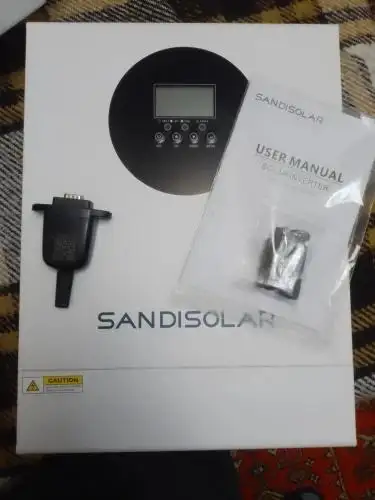
Laut der Fertigungserfahrung von SANDISOLAR ist eine realistische Lastbewertung der beste Ausgangspunkt für die Auswahl eines 6,2-kW-Wechselrichters. Das einfache Hinzufügen von Geräte-Label-Wattzahlen entspricht möglicherweise nicht den tatsächlichen Anforderungen an Motorstartstrom, Batch und veränderte Solarleistung.
Was bedeutet eine Wechselrichterbewertung von 6,2 kW?
Ein 6,2-kW-Wechselrichter hat eine Grenze von etwa 6200 Watt an kontinuierlicher Leistung sowie konfigurierbarer Wechselstromausgang.
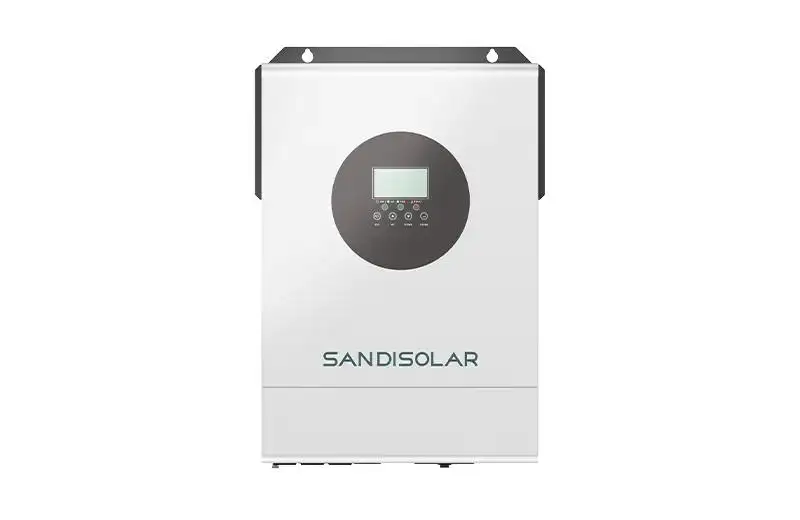
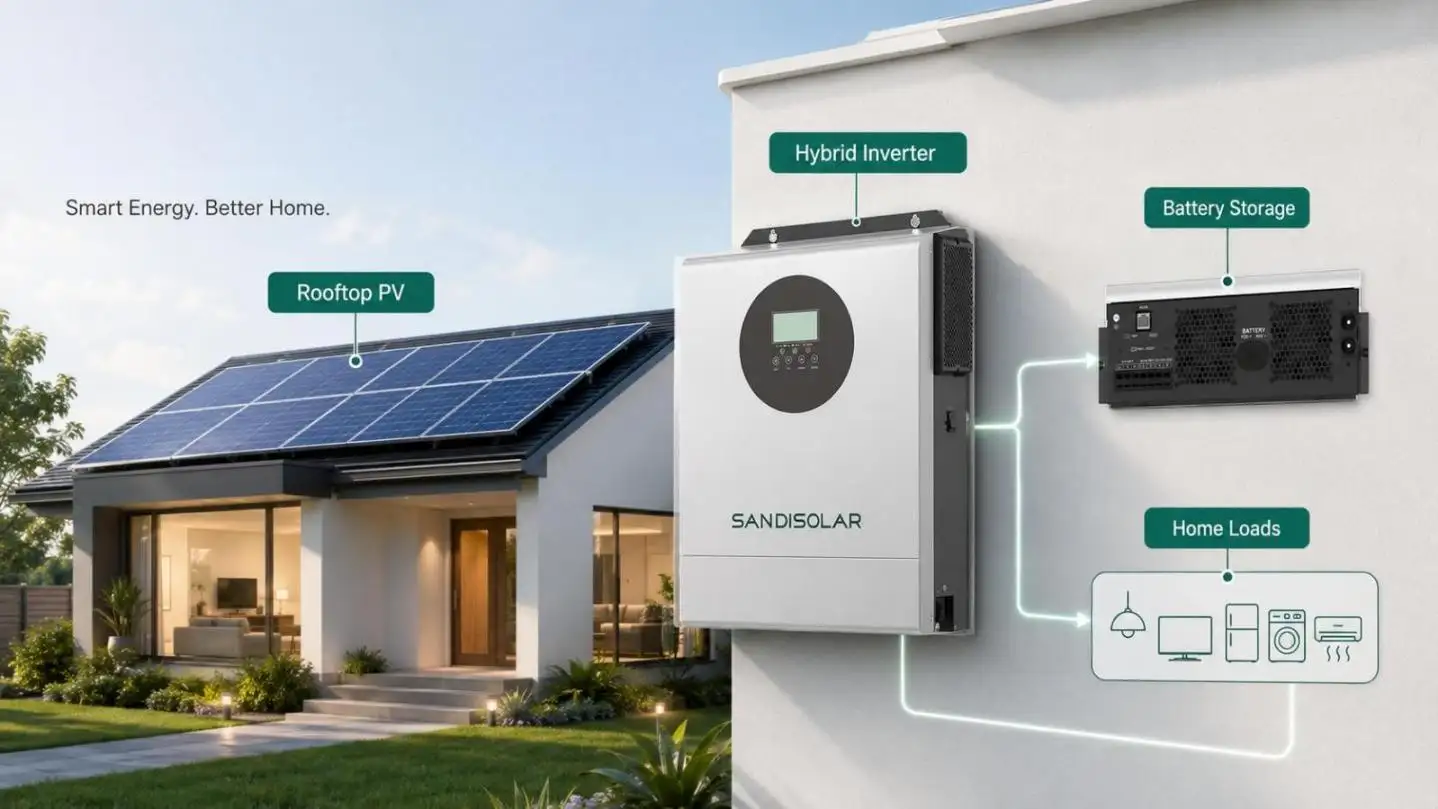
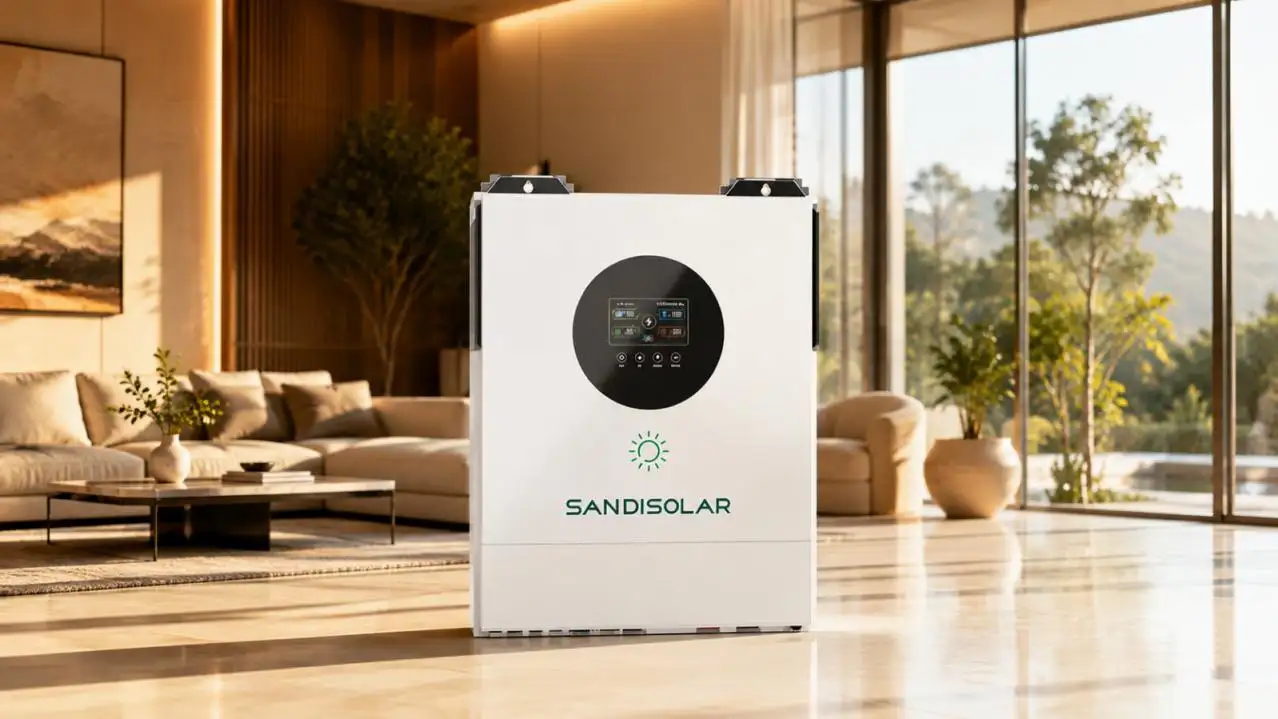
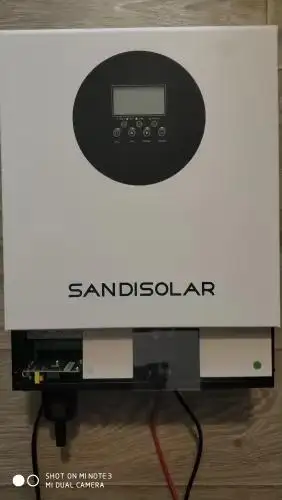
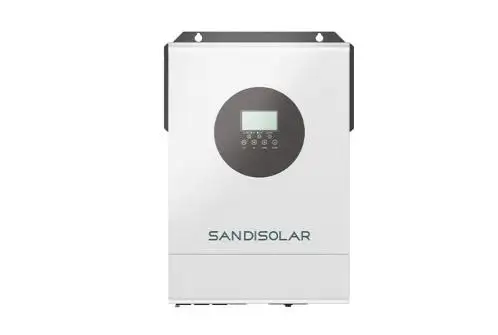
Das SANDISOLAR SD-4862WP-EUEs ist ein 48V, 6,2kVA/6,2kW, netzunabhängiger, reiner Sinuswellen-Solarwechselrichter. Dieses Produkt kann verwendet werden, um Haushaltsgeräte, Werkzeuge, Kommunikationsgeräte und andere motorgetriebene Geräte mit stabiler und sauberer Energie zu versorgen.
• Es wird dringend empfohlen, dass der Wechselrichter in der praktischen Systemplanung nicht kontinuierlich mit 6200 Watt betrieben wird.
• Empfohlene Betriebsmarge: Kontinuierlich geplante Lasten im Bereich von 70 % bis 85 % der Gesamtbewertung sind im Allgemeinen akzeptabel.
• Startzuschuss für den Motor: Kühlschränke, Waschmaschinen, Klimaanlagen, Pumpen und ähnliche Geräte benötigen zusätzliche Startleistung.
Zukünftige Lastzunahme: Kleine Erhöhungen der elektrischen Last des Standorts oder Haushalts werden durch die überschüssige Wechselkapazität berücksichtigt.
Typische Leistungsanforderungen von Geräten
Der tatsächliche Stromverbrauch variiert je nach Gerätgröße, Effizienz, Betriebsmodus und Herstellerspezifikationen.
| Gerät | Typische Betriebsleistung | Anfangsnachfrage |
| LED-Beleuchtung | 50-300W | Niedrig |
| Kühlschrank | 100-300W | 600–1.200W |
| Fernsehen | 80-200W | Niedrig |
| WLAN-Router | 10-30W | Niedrig |
| Laptop | 40-100W | Niedrig |
| Desktop-Computer | 150-500W | Moderat |
| Waschmaschine | 400–1.000W | 1.000–2.000W |
| Mikrowellenherd | 1.000–1.800W | Moderat |
| Wasserkocher | 1.500–2.200W | Niedrig |
| Klimaanlage | 800–2.500W | 2.000–6.000W |
| Wasserpumpe | 500–1.500W | 1.500–4.500W |
| Elektrowerkzeug | 500–2.000W | Mäßig bis hoch |
Diese Zahlen sollten als allgemeine Referenzen dienen. Gerätenamensschilder oder technische Handbücher sollten vor der Entwicklung eines 6,2-kW-Wechselstromsystems überprüft werden.
Beispiel für gleichzeitige Haushaltslasten
Ein 6,2-kW-Wechselrichter kann gleichzeitig folgende Geräte unterstützen:
| Gerät | Geschätzte Betriebsleistung |
| Kühlschrank | 200W |
| LED-Beleuchtung | 200W |
| Fernsehen | 150W |
| WLAN-Router | 20W |
| Drei Laptops | 240W |
| Waschmaschine | 800W |
| Mikrowellenherd | 1.400W |
| Kleine Klimaanlage | 1.200W |
| Gesamtlast | 4.210W |
Dieses Beispiel bleibt unter dem 6.200W-Wechselrichterwert und lässt etwa 1.990W verfügbare Leistung. Allerdings sollten Klimaanlage, Kühlschrank und Waschmaschine nicht alle gleichzeitig starten, da ihre kombinierte Überspannung deutlich höher sein kann als die normale Betriebslast.
Betriebs- und Startkraft
Die Nachfrage beim Start ist wichtig bei der Bewertung der Kapazität eines 6,2-kW-Wechselrichters.
•Betriebsleistung: Die reguläre Leistung, die von einer Maschine im Dauerbetrieb genutzt wird.
•Startleistung: Die nur für kurze Zeit benötigte Leistung zum Start eines Kompressors, Motors oder einer Pumpe.
•Widerstandslast: Die Überspannung beim Start bei Geräten wie Wasserkochern, Heizgeräten und Elektroherden ist typischerweise gering, aber der kontinuierliche Stromverbrauch ist relativ hoch.
•Induktive Last: Der kurze Stromverbrauch von Pumpen, Kühlschränken, Klimaanlagen und Elektrowerkzeugen übersteigt häufig die Nennleistung um den Faktor 2 oder mehr und kann bis zu ein Mehrfaches der Nennleistung betragen.
•Elektronische Last: Computer, Fernseher, Router und LED-Beleuchtung haben in der Regel geringere Startanforderungen.
Eine Lastkombination scheint möglicherweise unter 6,2 kW zu bleiben, aktiviert aber dennoch den Überlastschutz, wenn mehrere motorgetriebene Geräte gleichzeitig starten.
Geräte, die möglicherweise eine Ladungsplanung benötigen
Einige Hochleistungsgeräte können einen großen Teil der verfügbaren Ausgangsleistung eines 6,2-kW-Wechselrichters nutzen.
•Elektrischer Warmwasserbereiter: Ein 2.000–4.500W-Heizer kann eine begrenzte Kapazität für andere größere Geräte lassen.
• Induktionsherd: Diese Einheit arbeitet je nach Einstellung zwischen 1.500 und 3.500 W.
• Klimaanlage: Beziehen Sie sich auf die Anfangsnachfrage für Modelle ohne Wechselrichter.
• Wasserpumpe: Diese Pumpe hat typischerweise eine moderate Betriebslast, aber eine sehr hohe Anfangslast.
• Mikrowelle: Die verbrauchte Leistung kann größer sein als die auf der Vorderseite angezeigte Kochleistung.
•Werkstattwerkzeuge: Jedes der oben genannten Werkzeuge muss bewertet werden, bevor ihr gleichzeitiger Betrieb in Betracht gezogen wird.
Die sequentielle Nutzung dieser Geräte bietet den Vorteil, stabile Leistung zu erhalten, verbessert jedoch nicht die Kapazität des Wechselrichters.
Wie die Batteriekapazität die Betriebszeit beeinflusst
Der 6,2-kW-Wechselrichter zeigt, wie viel Last gleichzeitig getragen werden kann. Die Batteriebank zeigt, wie lange diese Last laufen kann.
Die ungefähre Speicherkapazität einer nominellen 48V 200Ah-Batteriebank beträgt 9,6 kWh.
48V × 200Ah = 9.600Wh
Dies erfolgt nach den Verlusten durch Batterieentladungsgrenzen, Wechselrichterumwandlung und Verkabelungsverluste sowie Systemschutz.
| Nutzbare Batterieenergie | Durchschnittslast | Ungefähre Laufzeit |
| 8kWh | 1kW | 8 Stunden |
| 8kWh | 2kW | 4 Stunden |
| 8kWh | 4kW | 2 Stunden |
Die Laufzeit wird auch von Last, Temperatur, Batteriezustand und Wechselrichtereinstellungen beeinflusst.
Der SANDISOLAR 6,2-kW-Wechselrichter ist mit LiFePO4-Batterien kompatibel und kann parallel angeschlossene Lithiumbatterien über Solar-PV oder Versorgungsstrom aktivieren, während er zudem über den RS485-Port mit den jeweiligen Batteriemanagementsystemen kommunizieren kann. Kommunikation kann helfen, die Ladespannung, Entladegrenzen und den Batterieschutz zu koordinieren.
Solareingang und batterieloser Betrieb
Der SD-4862WP-EU verfügt über einen eingebauten 120A-MPPT-Controller und unterstützt PV-Eingänge bis zu 500 V DC, abhängig vom angegebenen MPPT-Betriebsbereich und Solaranlagendesign.
•Direkte Solarversorgung: Photovoltaikenergie kann aktive Tageslasten unterstützen.
•Batterielade: Zusätzliche PV-Erzeugung kann an eine kompatible Batteriebank gesendet werden.
•Versorgungshilfe: Je nach gewähltem Betriebsmodus kann die Versorgung mit Solarenergie zusammenarbeiten.
• Batterieloser Betrieb: Solarenergie und verfügbare Versorgung können geeignete Lasten ohne Batterie versorgen.
Während der batterielose Betrieb den Bedarf an Energiespeicherung minimieren kann, wird die Stabilität des Ausgangs durch die verfügbaren Solar- und Versorgungseingänge bestimmt. Kritische Lasten erfordern in der Regel Batterieunterstützung.
Expansion Beyond das 6.2kW Ichnverts
Für größere Häuser, Bauernhöfe, Werkstätten oder abgelegene Gebäude ermöglicht SANDISOLAR die parallele Vernetzung von bis zu 12 kompatiblen Einheiten.
•Einphasige Ausweitung: Triebwagen ermöglichen die Wartung größerer einphasiger Lasten.
•Dreiphasenlayout: Konfigurierte kompatible Einheiten können spezifische dreiphasige Anforderungen erfüllen.
• Zukünftiger Systemausbau: Sollte die Stromnachfrage steigen, kann zusätzliche Inverterkapazität geplant werden.
•Flexible Anwendungen: Abgelegene Gebäude, Landwirtschaft, Feldarbeitsstationen und tragbare Stromversorgung können von parallelen Systemen versorgt werden.
Die parallele Installation erfordert koordinierte Kommunikation, Batteriegröße, Kabelauswahl, Stromkreisschutz und professionelle Inbetriebnahme.
Abschließende Gedanken
Ein 6,2-kW-Wechselrichter kann Kühlschränke, Beleuchtung, Fernseher, Computer, Waschmaschinen, Mikrowellen, kleine Klimaanlagen, Pumpen und ausgewählte Elektrowerkzeuge in geeigneten Kombinationen betreiben. Die praktische Grenze hängt von der kombinierten Betriebsleistung, der Startspannung, der Batteriekapazität und der verfügbaren Solarenergie ab.
Mit reiner Sinuswellenausgabe, einem 120A-MPPT-Controller, LiFePO4-Batteriekompatibilität, batteriefreiem Betrieb, integriertem WLAN, RS485-Kommunikation und paralleler Unterstützung bietet der SANDISOLAR SD-4862WP-EU eine konfigurierbare Stromplattform für Haushalte, Bauernhöfe, abgelegene Gebiete, mobile Anwendungen und Notfall-Backup-Systeme. Eine sorgfältige Lastberechnung bleibt die Grundlage für einen stabilen und effizienten Betrieb.
FAQs
F1. Wie viele Geräte kann ein 6,2-kW-Wechselrichter betreiben?
Dies wird durch die Betriebsleistung und den Startbedarf des Geräts bestimmt.
F2. Braucht ein 6,2-kW-Wechselrichter eine Batterie?
Nicht unbedingt. Einige Modelle können ohne Batterie betrieben werden. Diese Modelle können mit Solar- und Netzstrom betrieben werden.
F3. Welche Batterie ist mit einem 6,2-kW-Wechselrichter kompatibel?
Ein 48V-Batteriesystem kann verwendet werden. Dazu gehört eine LiFePO4-Batteriebank.
F4. Können mehrere 6,2-kW-Wechselrichter zusammen verwendet werden?
Ja. Um die Systemgröße zu vergrößern, können kompatible Modelle verwendet werden.
F5. Ist ein 6,2-kW-Wechselrichter gut für die Sicherung zu Hause?
Bei Verwendung mit den passenden Solar- und Batteriequellen kann dieser Wechselrichter die Rückwärtsversorgung wichtiger Hauslasten unterstützen.
Teilen Sie es in den sozialen Medien:


Kontaktieren Sie uns
In diesem Artikel
Verwandte Beiträge
48V-6kW-Netzunabhängiger Wechselrichter: Warum 48V-Batteriesysteme für leistungsstärkere Solaranlagen üblich sind
31. August 2026
Installation von Wohn-Solarsystemen: Technische Dimensionierung, Systemabstimmung und Installationsleitfaden
31. August 2026
48-Volt-Wechselrichter für Solarbatteriespeicher: Wichtige Spezifikationen, die Käufer vergleichen sollten
27. August 2026